Did you know that most of Australia’s native bees don’t live in hives?
Discover how you can support Australia’s native pollinators and help create healthier habitats for wildlife at A Place to Bee: Building Homes for Native Pollinators, a family-friendly workshop at Rippon Lea Estate run by Grow Gardens.
Presented by GROW Gardens, a First Nations-led certified social enterprise, this engaging outdoor workshop explores the fascinating world of Australia’s native bees and the essential role they play in supporting biodiversity, food production and healthy ecosystems.
Most native Australian bee species are solitary insects that rely on safe nesting spaces in gardens, parks and urban landscapes. During this informative session, participants will learn how these remarkable pollinators live, why they are important and practical ways to create bee-friendly habitats at home.
This intergenerational workshop provides simple, actionable ideas for supporting local wildlife while gaining a deeper understanding of the connection between pollinators, plants and thriving communities.
As part of the National Trust’s Nature in November series and Australian Pollinator Week, this special event is a wonderful opportunity to connect with nature, learn from community leaders and discover how small actions can make a meaningful difference for pollinators and biodiversity.







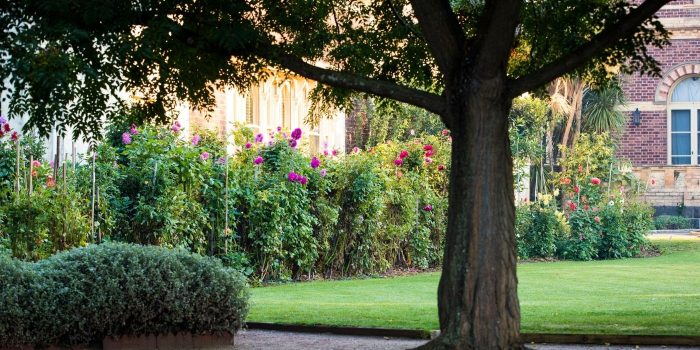
 Rippon Lea House and Gardens